Vape Culture: Exploring the Rise of Vaping in Today's Society
Vape culture has risen as a notable movement within younger generations, fueled by the pursuit of healthier choices and a wide range of flavor varieties. Social media amplifies this trend, presenting vaping as a socially acceptable choice. Nevertheless, the health-related consequences continue to be disputed, sparking ongoing debates about its potential risks. As vape retailers develop into neighborhood meeting points, the dynamics of this lifestyle continue to shift. What does the future hold for this expanding trend?
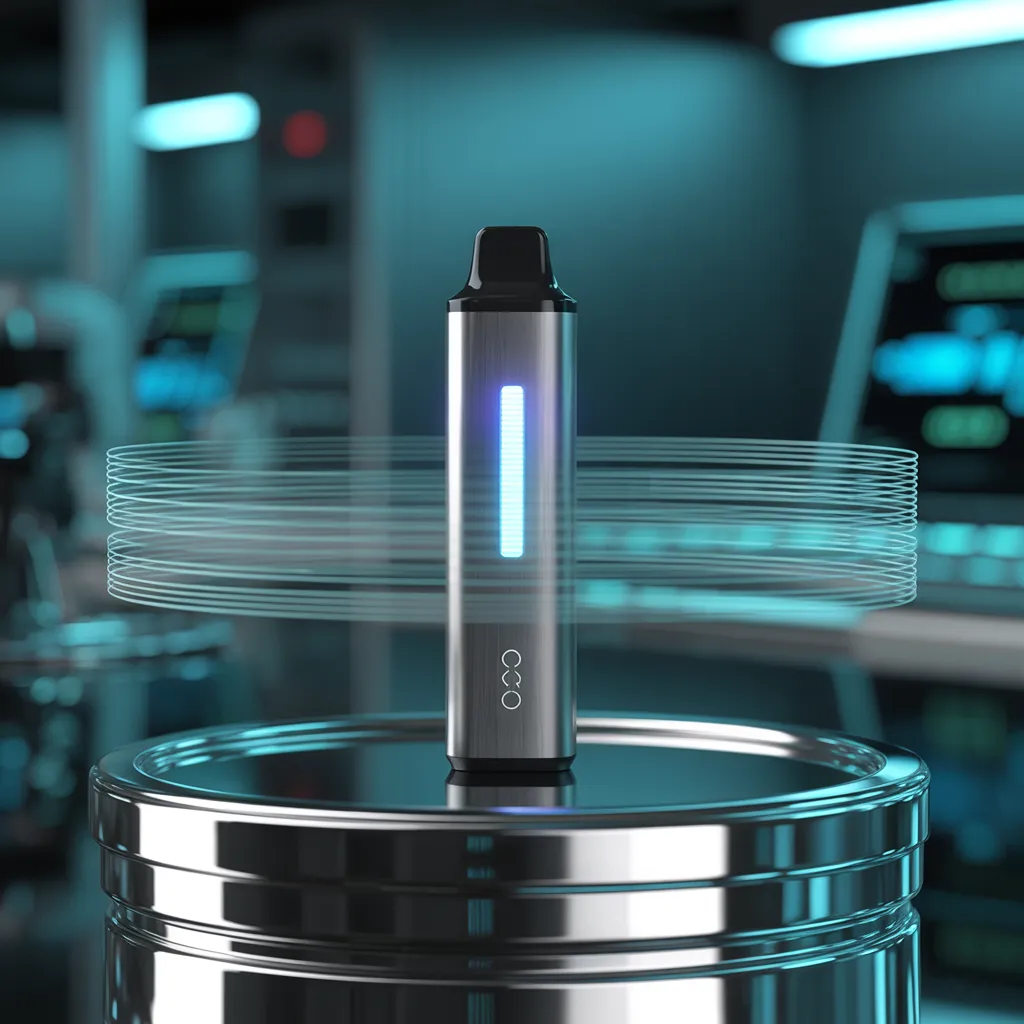
Why Are So Many People Making the Switch to Vaping?
As the understanding of the health dangers linked to conventional smoking increases, numerous people are choosing vaping as what they consider a healthier option. This change is motivated by a variety of influences, such as the attractiveness of diverse flavors and adjustable features that vaping products offer. Many users appreciate the varied flavors, which range from fruity to dessert-inspired, making the experience more enjoyable compared to conventional tobacco. Moreover, vaping is commonly perceived as a more socially embraced habit, particularly within younger populations. The innovation within vaping devices additionally enables a degree of management over nicotine consumption, attracting individuals seeking to lower their intake steadily. Moreover, the perception that vaping is less intrusive and has fewer lingering odors than smoking contributes to its rising popularity. As a consequence, a broad spectrum of individuals, including both former smokers and those new to nicotine use, are steadily embracing vaping as their preferred choice.
Is Vaping Actually Safe? The Wellness Debate?
When comparing the safety of vaping to traditional smoking, what do we find? This inquiry has ignited substantial controversy among healthcare specialists and the general population. While vaping is often marketed as a safer alternative to smoking, the reality is more complex. E-cigarettes typically contain fewer toxic substances than traditional cigarettes, which could theoretically reduce some health risks. However, vaping still introduces harmful chemicals into the body, including nicotine, which can lead to addiction and potential cardiovascular issues.
Growing research has brought attention to concerns about the lasting impacts of breathing in vaporized compounds, particularly since a large number of e-liquid ingredients lack sufficient research. In addition, documented cases of lung injuries tied to vaping have surfaced, compounding the existing concerns about its safety. In the end, while vaping may be less harmful than conventional smoking, it is not devoid of potential hazards, calling for cautious deliberation among users and policymakers.
Who Is Getting Into the Vaping Trend?
Who is drawn to the vaping trend? Vaping attracts a wide variety of people, across different age groups and lifestyles. Younger individuals, especially those between their late teens and early twenties, frequently look for substitutes to conventional cigarettes, considering vaping a contemporary lifestyle decision. Numerous individuals are driven by the idea that vaping is a safer alternative and offers a customizable experience through various flavors and nicotine levels.
In addition, previous smokers moving toward vaping form a substantial group. They often view it as a way to lower nicotine intake while continuing to enjoy the inhalation experience. Curiosity also drives some individuals, as the social elements of vaping entice those who wish to connect with like-minded individuals or try new things. The ease of access to vaping, paired with its perceived freshness, keeps attracting a wide range of individuals to the vaping community.
How Social Media Shapes Vape Culture
How does social media influence vape culture? Social media channels have emerged as key drivers in popularizing and normalizing vaping across diverse audiences. Through visually engaging content, influencers showcase vaping as a lifestyle choice, often emphasizing its aesthetic appeal and social aspects. Dedicated hashtags and vaping challenges build a community atmosphere, inspiring users to share their encounters and product preferences. Moreover, social platforms including Instagram and TikTok empower users to generate and spread tutorials, vaping techniques, and product assessments, increasing the prominence of vaping products and brands.
This continuous exchange cultivates an environment where vaping is not just a practice but an outlet for personal identity. The pervasive influence of social media magnifies patterns, leading to quick transformations in consumer preferences. Therefore, social media serves as a double-edged sword, both increasing visibility of vaping and potentially glamorizing the habit, particularly among younger demographics.
The Ways Vaping Shapes Lifestyle Choices
Vaping has emerged as a major influence on modern lifestyle decisions, impacting a wide range of aspects from social dynamics to personal expression. For many, vaping serves as a social lubricant, facilitating connections in both casual and formal settings. The act of vaping often creates a shared experience among users, fostering community bonds and establishing norms around social gatherings.
Furthermore, vaping has transformed personal identity for some people, separating them useful tips from traditional smokers or non-smokers. The range of flavors, devices, and brands permits users to display their unique tastes, contributing to a sense of personal identity.
In addition, health perceptions surrounding vaping have inspired lifestyle shifts; a number of users regard it as a more health-conscious substitute for cigarettes, while others integrate it into wellness and lifestyle discussions. Ultimately, vaping shapes preferences regarding social engagement, identity expression, and wellness, demonstrating its deep influence over present-day living habits.
Vape Shops: Social Centers for Vaping Fans
Within the ever-changing world of vaping culture, vape shops have emerged as important social centers for vaping enthusiasts. These locations operate as communal spaces where customers can come together around their common enthusiasm for vaping. Beyond merely selling products, vape shops frequently organize community events, such as product tastings and educational workshops, nurturing a welcoming atmosphere among customers.
The knowledgeable staff frequently provide valuable insights into the newest devices and e-liquid options, improving the overall vaping journey. This tailored service fosters trust and loyalty among the community. Additionally, vape shops often create welcoming environments, facilitating social engagement among patrons, which may develop into lasting friendships and support systems.
As vaping continues to gain popularity, these shops play an important role in forming a culture built on exploration and education. By emphasizing community participation, vape shops not only enhance personal experiences but also help establish a vibrant, interconnected vaping culture.
Emerging Trends in Vape Culture
In what ways will vape culture transform as technology and social perspectives change? As vaping technology advances, innovations such as smart devices and customizable options are likely to attract a wider audience. Improved user interfaces and application integrations could enable customized experiences, giving consumers the ability to monitor their usage and flavor choices. Moreover, the rising priority placed on health and wellness could transform attitudes, fostering broader acceptance of vaping as a less detrimental option compared to traditional smoking.
Regulatory developments will also play a critical role as regulatory bodies enforce stronger guidelines, producers could prioritize openness and excellence, fostering a more responsible industry. Societal views are likely to change further, with vaping becoming more integrated into mainstream culture, similar to craft beer or specialty coffee. In the end, the trajectory of vaping culture will be marked by a fusion of innovative technology, policy supervision, and changing community attitudes, carving out a recognizable place in today's society.
Commonly Asked Questions
What Are the Most Popular Flavors Among Vapers Today?
Fruit flavors, notably berry, mango, and watermelon, dominate the vaping market today. Dessert flavors, including vanilla custard and chocolate, also enjoy popularity, appealing to those seeking sweet and indulgent experiences in their vaping choices.
What Are the Average Monthly Expenses for Vaping?
Monthly vaping costs typically range from $30 to $100, varying with device type, usage habits, and e-liquid preferences. Frequent vapers may find expenses vary considerably according to individual habits and usage levels.
What Are the Age Requirements for Buying Vape Products?
Indeed, there are age restrictions when it comes to purchasing vape products. In numerous jurisdictions, individuals must be at least 18 or 21 years of age, based on local regulations, to legally buy vaping devices and associated products.
Does Vaping Help Smokers Quit Cigarettes Entirely?
Vaping may assist some individuals in quitting smoking entirely by providing a less harmful alternative. Nevertheless, its effectiveness varies among users, and dependence on vaping may result in ongoing nicotine addiction for some.
What Are Common Misconceptions About Vaping?
Common misconceptions about vaping involve the assumptions that it is completely safe, that it lacks any harmful ingredients, and that it serves only as a stepping stone to smoking. These misunderstandings can influence perceptions and behaviors surrounding vaping.